
1
/
of
1
Purple Leatherflower
Purple Leatherflower
Regular price
$6.00 USD
Regular price
Sale price
$6.00 USD
Unit price
/
per
Couldn't load pickup availability
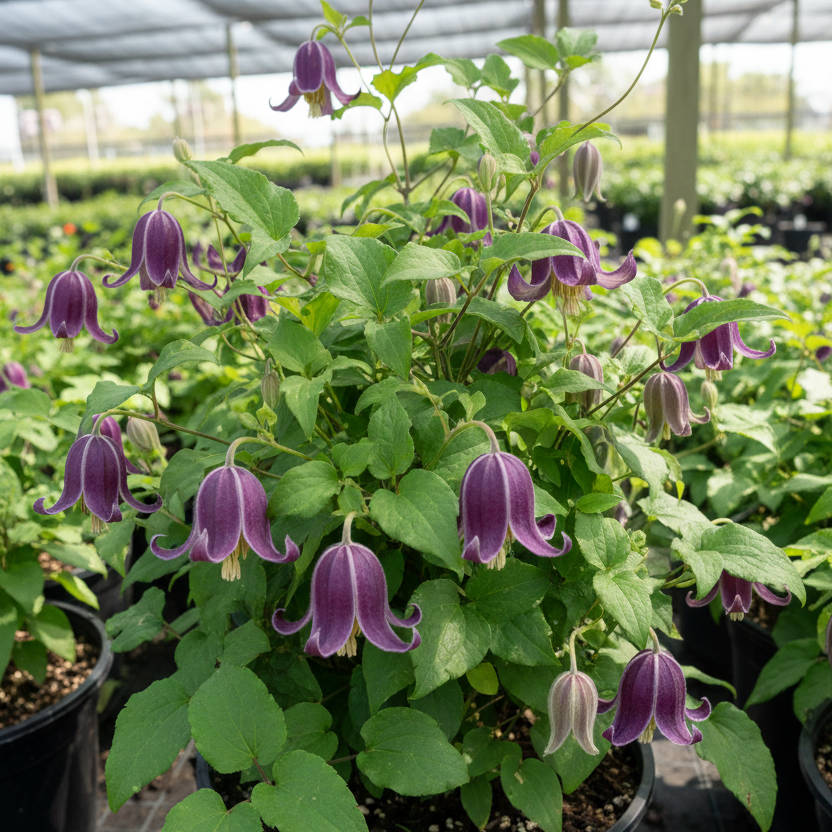
Purple Leatherflower is a stunning native vine that brings both beauty and ecological value to naturalized landscapes. This climbing perennial produces delicate purple flowers with distinctive leathery sepals, adding vertical interest and texture to gardens throughout the growing season.
A champion for pollinators, Purple Leatherflower attracts bees and butterflies while supporting native insects essential to your garden ecosystem. As a native species, it thrives in local conditions and requires minimal maintenance once established, reducing the need for supplemental watering and fertilizers.
Plant in full sun to part shade where it can climb trellises, fences, or arbors. This vigorous grower adapts well to various soil types and performs exceptionally in well-drained locations. Its delicate vines create natural screening, soften hardscapes, and provide valuable nesting habitat for wildlife.
Historically used in traditional herbalism, Purple Leatherflower has been valued for its ornamental and medicinal applications. Today, gardeners prize it for sustainable landscaping, wildlife corridors, and adding native charm to any outdoor space without the environmental cost of non-native alternatives.
Share