
1
/
of
1
Calendula
Calendula
Regular price
$4.00 USD
Regular price
Sale price
$4.00 USD
Unit price
/
per
Couldn't load pickup availability
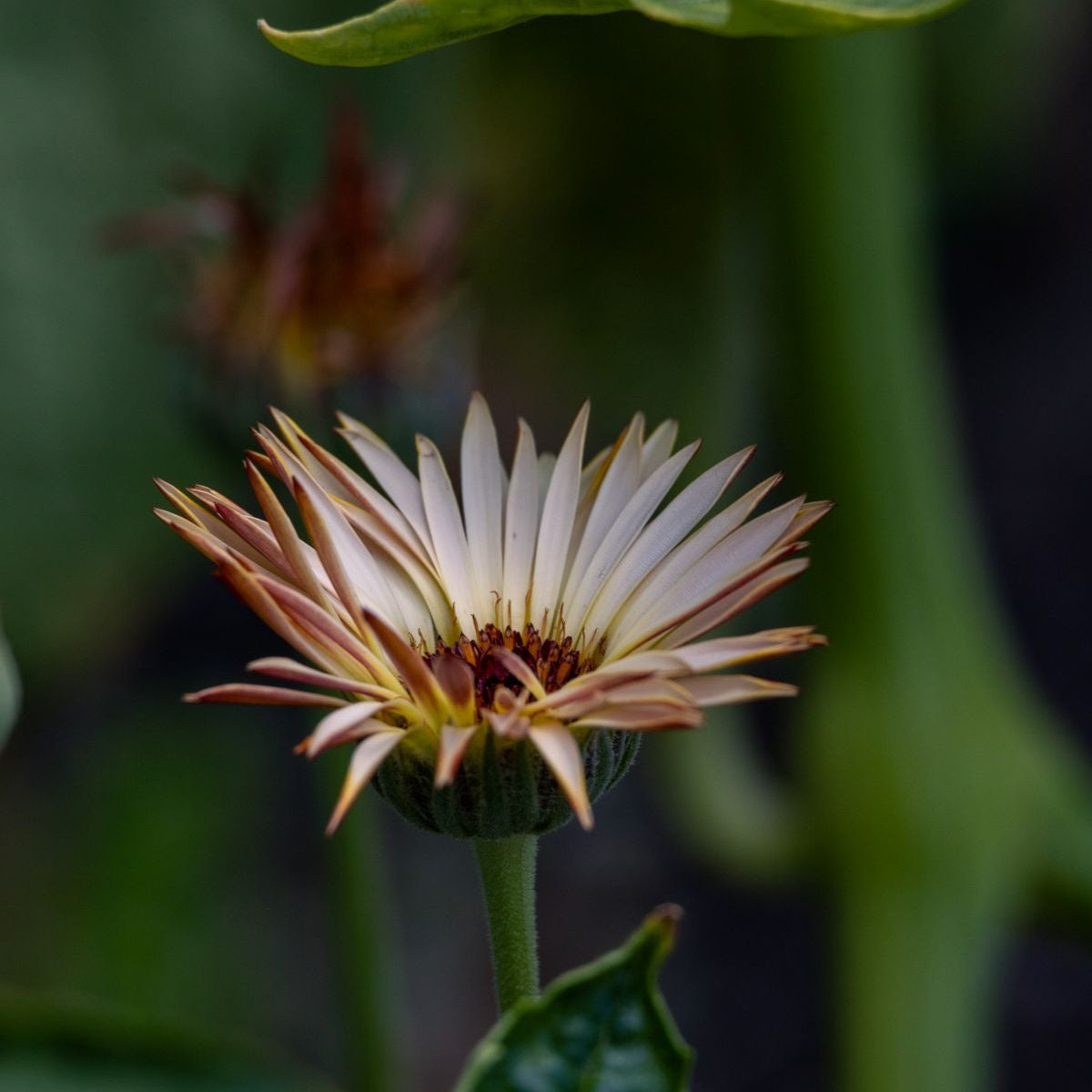
Calendula, also known as pot marigold, is a vibrant annual herb prized for its golden-orange blooms and versatile uses. Native to the Mediterranean region, this cheerful plant thrives in full sun to partial shade and adapts well to various soil types, though it prefers well-draining soil and tolerates poor fertility.
Light and soil requirements: Plant calendula in a location receiving at least 6 hours of direct sunlight daily for optimal flowering. It grows in average to poor soil and actually performs better without excessive fertilization, making it ideal for low-maintenance gardens.
Ecological benefits: Calendula attracts pollinators like bees and butterflies while repelling certain garden pests. Its flowers provide nectar throughout the growing season, supporting beneficial insects and contributing to garden biodiversity.
Human uses: Calendula has been used for centuries in herbal remedies, teas, and skincare preparations. The petals are edible and add color and mild flavor to salads. Many gardeners grow it for its ornamental beauty, medicinal properties, and ability to support a healthy garden ecosystem.
This non-native Mediterranean plant has naturalized in many regions and remains a beloved addition to herb gardens, cottage gardens, and pollinator-friendly landscapes.
Light and soil requirements: Plant calendula in a location receiving at least 6 hours of direct sunlight daily for optimal flowering. It grows in average to poor soil and actually performs better without excessive fertilization, making it ideal for low-maintenance gardens.
Ecological benefits: Calendula attracts pollinators like bees and butterflies while repelling certain garden pests. Its flowers provide nectar throughout the growing season, supporting beneficial insects and contributing to garden biodiversity.
Human uses: Calendula has been used for centuries in herbal remedies, teas, and skincare preparations. The petals are edible and add color and mild flavor to salads. Many gardeners grow it for its ornamental beauty, medicinal properties, and ability to support a healthy garden ecosystem.
This non-native Mediterranean plant has naturalized in many regions and remains a beloved addition to herb gardens, cottage gardens, and pollinator-friendly landscapes.
Share